-
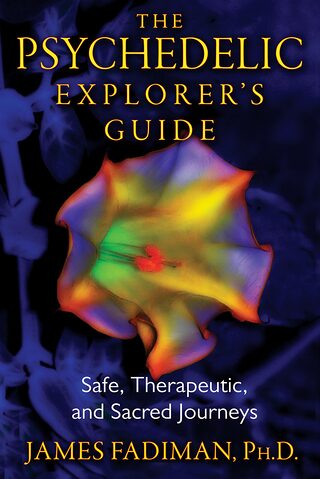
The Psychedelic Explorer's Guide
A practical manual providing evidence-based guidelines for the safe, responsible, and intentional use of psychedelics for personal growth and spiritual insight.
-
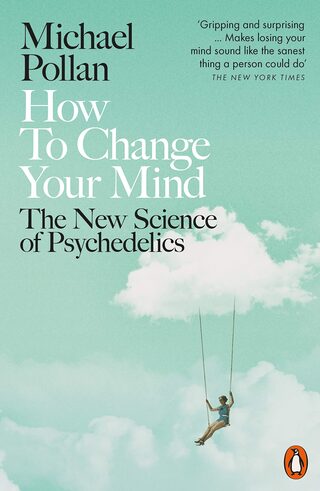
How to Change Your Mind
Explores the history, science, and personal experience of using psychedelic substances like LSD and psilocybin to treat mental health issues.
-
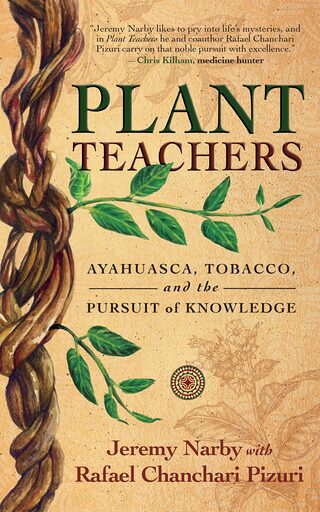
Plant Teachers
A cross-cultural dialogue that explores the similarities between ayahuasca and tobacco, the role of these plants in indigenous cultures, and the hidden truths they reveal about nature.
-

Food of the Gods
Proposes that the consumption of psychoactive plants, particularly psilocybin mushrooms, was the crucial evolutionary catalyst for the development of human consciousness, language, and spiritual awareness.
Resources
A small library for the journey.
A curated selection of reading, research, and practical tools — offered in the spirit of preparation, integration, and ongoing inquiry.
Reading
Books & essays
Works that have shaped how we understand inner exploration, therapeutic presence, and the careful use of altered states.
Foundational reading
Deeper inquiry
-
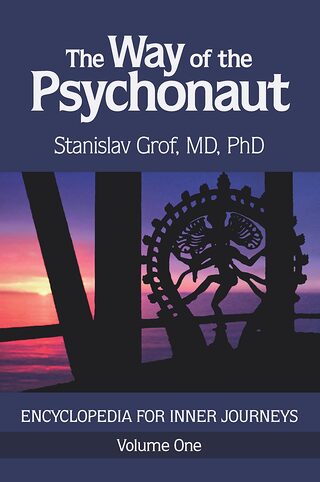
The Way of the Psychonaut
Explores healing deep traumas and understanding non-ordinary states of consciousness, framing the “psychonaut” as a modern explorer navigating the inner realms of mind, spirit, and existence.
-
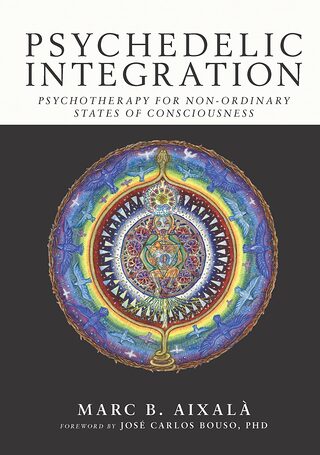
Psychedelic Integration
A practical, evidence-based guide for therapists and individuals to process profound or challenging altered-state experiences — focused on grounding these insights into daily life through therapeutic techniques, aiming for long-term psychological growth, balance, and wholeness.
-
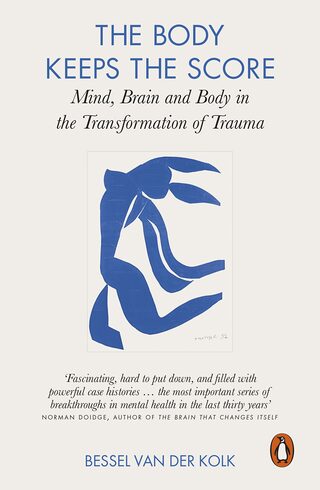
The Body Keeps the Score
Explains how traumatic experiences are physically stored in the nervous system and body, rather than only as memories in the mind. To heal, one must engage in therapies that address these somatic imprints, so the body stops continuously re-experiencing the past.
-
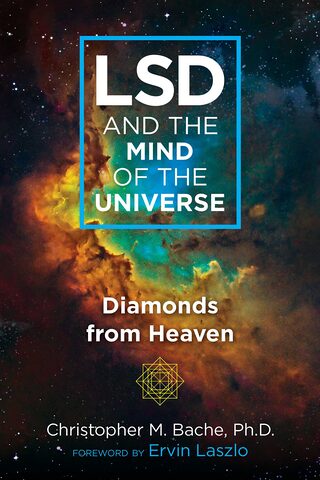
LSD and the Mind of the Universe
Documents a 20-year journey of 73 high-dose LSD sessions, meticulously exploring the depths of consciousness and the “mind” of the cosmos. A profound, spiritual, and often painful vision of humanity's evolutionary trajectory, arguing that the universe is a living, loving, and intelligent field.
Research
Science & clinical literature
Peer-reviewed work and research organisations shaping the evidence base for psychedelic-assisted care.
Clinical studies
-
Single-Dose Psilocybin for a Treatment-Resistant Episode of Major Depression
A Phase IIb randomised, double-blind trial across ten countries showing that a single 25 mg dose of psilocybin, given alongside psychological support, produced significant short-term reductions in depression severity in treatment-resistant patients.
Read the study -
Rapid and Sustained Symptom Reduction Following Psilocybin Treatment for Anxiety and Depression in Patients with Life-Threatening Cancer
NYU randomised, double-blind trial in patients with advanced cancer: a single dose of psilocybin paired with psychotherapy produced rapid and sustained reductions in disease-related anxiety and depression, with benefits maintained at six months.
Read the study -
Percentage of Heavy Drinking Days Following Psilocybin-Assisted Psychotherapy vs Placebo for Alcohol Use Disorder
Randomised, double-blind trial (n=93) over 32 weeks: two psilocybin sessions embedded in 12 weeks of psychotherapy produced robust reductions in the percentage of heavy drinking days, compared with active placebo (diphenhydramine).
Read the study -
MDMA-Assisted Therapy for Severe PTSD: A Randomized, Double-Blind, Placebo-Controlled Phase 3 Study
MAPS-sponsored pivotal Phase 3 trial: after three MDMA-assisted therapy sessions, 67% of participants no longer met diagnostic criteria for PTSD, compared with 32% in the placebo-plus-therapy group.
Read the study
Research organisations
-
Centre for Psychedelic Research
The world's first formal academic centre for psychedelic research. Studies the action of psychedelics in the brain and their clinical utility — particularly for depression — with the associated NHS-based CIPPRes Clinic.
Visit website -
Center for Psychedelic & Consciousness Research
The most prolific psychedelic research group in the United States, with more than fifty peer-reviewed publications. Investigates psilocybin and related compounds in addiction, depression, end-of-life distress, and consciousness science.
Visit website -
MIND Foundation
Europe's leading non-profit advancing the legal, safe, and evidence-based application of psychedelics in therapy. Runs the MIND Academy, the OVID Clinic Berlin, the INSIGHT conference, and Phase II/III clinical trials including EPIsoDE and DiMension.
Visit website -
MAPS
Founded in 1986, MAPS sponsors the longest-running clinical research programme on MDMA-assisted therapy for PTSD and trains psychedelic-assisted therapists worldwide.
Visit website -
Usona Institute
A medical research non-profit conducting Phase II and Phase III clinical trials on psilocybin for major depressive disorder, with a strong commitment to open science and ethical drug development.
Visit website -
Heffter Research Institute
Funds and designs rigorous clinical research with psilocybin at leading universities. Has supported many of the foundational studies on psilocybin for depression, addiction, and end-of-life distress.
Visit website
Integration
Tools for afterwards
What happens after the experience matters as much as the journey itself. Below are practices and reputable organisations across Europe and the UK that support the work landing in daily life.
Practices
-
Journaling & reflective writing
Returning to the experience in writing — freely, without editing — helps stabilise insights and notice what continues to surface in the days and weeks after a retreat.
-
Body-based practices
Yoga, breathwork, somatic experiencing, dance, or simply walking. Insights need to be felt, not just understood — the body is where integration actually lives.
-
Meditation & contemplative practice
A regular sitting practice gives the nervous system a place to return to and trains the attention to stay with what arises — both essential to integration over time.
-
Time in nature
Unhurried time outdoors — alone or in silence — supports the slow re-entry into ordinary life and lets the body recalibrate at its own pace.
-
Creative expression
Drawing, music, voice, or making something with your hands. Creative practice gives form to what words alone cannot, and often reveals more than analysis.
-
Peer dialogue & integration circles
Speaking with others who hold this work seriously, in a confidential and non-judgemental setting, is one of the most consistently helpful things participants name.
Therapists & integration circles
-
MIND Foundation — Augmented Psychotherapy
Europe-wide network of MIND-trained psychedelic integration therapists, plus the Beyond Experience integration workshops. Run from the OVID Clinic in Berlin.
Find a therapist -
OPEN Foundation
A leading non-profit advancing psychedelic research and therapy in Europe — trains licensed therapists, organises ICPR, and connects practitioners across the continent.
Visit website -
The Psychedelic Society — Integration Circles
Monthly online integration circles led by experienced facilitators (Murphy-Beiner, Baker-Jones, Moscovici), plus harm-reduction guidance and a directory of UK practitioners.
Visit website -
Psychedelic Integration UK
A directory of integration circles, peer support groups, and accredited therapists across the United Kingdom — free or low-cost in many cases.
Browse directory -
Institute of Psychedelic Therapy
A vetted database of UK-based counsellors and psychotherapists offering one-to-one and group support for people integrating psychedelic experiences.
Search the database -
PsyCare UK — Aftercare
Welfare and harm-reduction non-profit offering one-to-one aftercare support for people processing recent psychedelic experiences, including challenging ones.
Visit website
Harm reduction
If you are using outside a retreat setting
We work only within legal, held contexts. For those navigating these substances in other ways, harm-reduction resources can save lives and help people make informed choices.
Information & testing
-
PsyCare UK
UK-leading welfare team that has supported events of 500 to 30,000 people since 2008. Practical advice on safer use, set and setting, and crisis support.
Visit website -
The Loop
Award-winning, NGO-run drug checking service operating at festivals and in city centres. Provides front-of-house chemical analysis and harm-reduction advice.
Visit website -
The Psychedelic Society — Risk & Harm Reduction
Carefully written guidance on contraindications, set and setting, dosing, and what to do when an experience becomes difficult.
Read the guide -
Trimbos Instituut
Independent national centre for mental health and addiction. Runs the Drugs Information & Monitoring System (DIMS) and publishes evidence-based harm-reduction materials.
Visit website -
DanceSafe
Long-running peer-based harm-reduction organisation. Their factsheets on individual substances are widely used as a starting point for honest, accessible information.
Visit website -
TripSit
Free, volunteer-run resource offering interaction-checker tools, factsheets, and live chat support during difficult experiences.
Visit website
Emergency & support lines
-
Drogues Info Service
Free and anonymous national helpline run by Santé publique France. Open 8 am to 2 am, 7 days a week. Listening, information, and referrals on all substances.
Visit website -
Fireside Project
The first dedicated psychedelic support line, free and confidential. Phone or text trained volunteers during a difficult experience or while integrating a past one.
Visit website -
PsyCare UK Welfare Line
Non-clinical support and follow-up for people who have had a difficult psychedelic experience — whether at an event or privately.
Visit website -
112 — European emergency number
Free single emergency number across all EU countries. Use 112 for medical, fire or police emergencies, including any acute drug-related crisis.
-
NHS 111
Free 24/7 health advice line for the UK. For non-life-threatening medical concerns, including unexpected reactions or psychological distress.
Visit website -
SAMU — 15
National medical emergency dispatch in France. Use 15 (or 112) for any acute medical crisis, including overwhelming drug effects.